
Coaching Spotlight: Systems, Strategy, and Seasoned Leadership
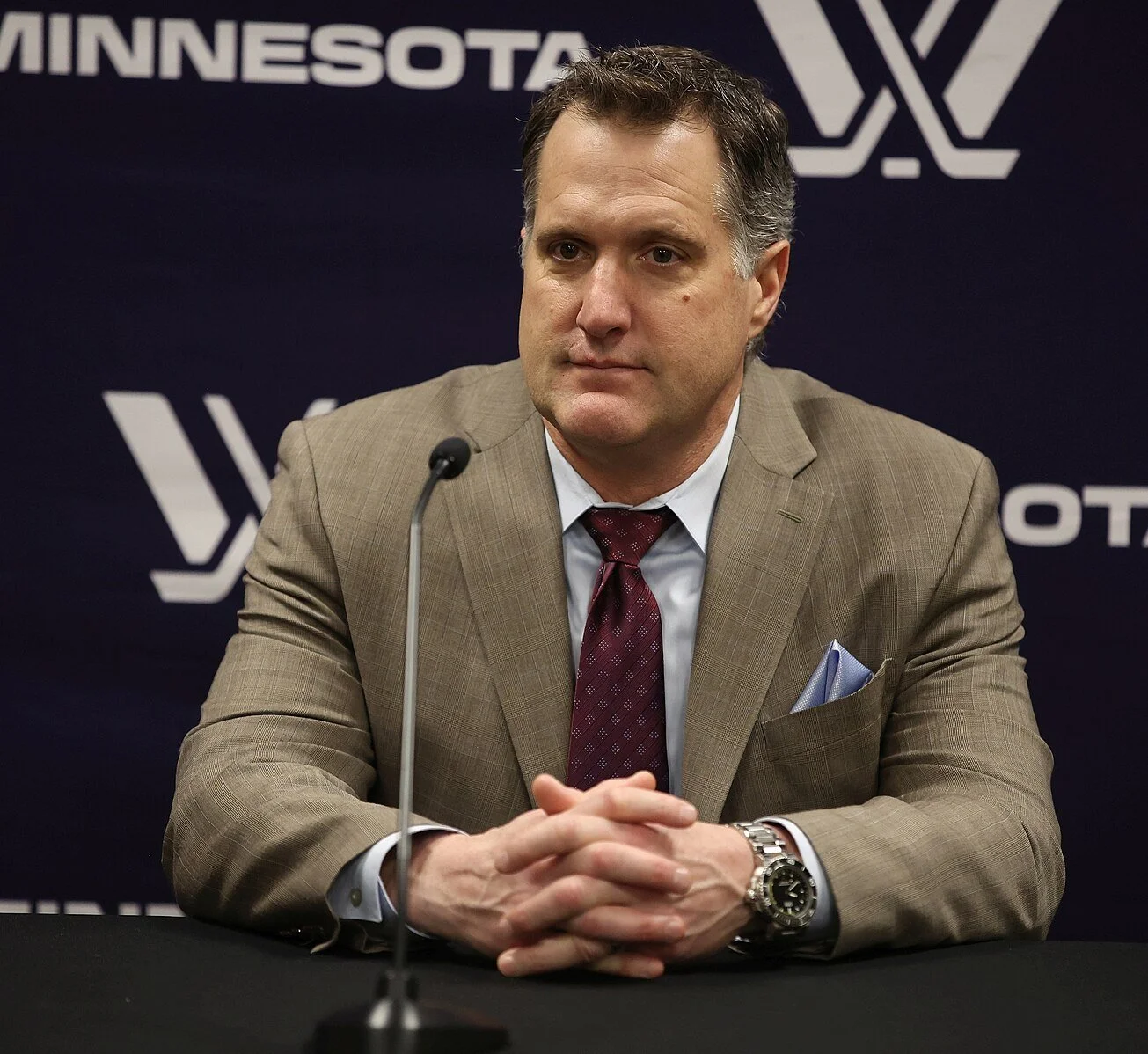
Ken Klee in an interview, Minnesota vs. Toronto, January 10, 2024. Photo credits: John McClellan.
Written by Gina Anton
As the Professional Women’s Hockey League (PWHL) heads into its third season, the spotlight is increasingly on how coaching styles are shaping the identity and success of its teams. With expansion franchises, coaching turnover, and evolving rosters, coaches are defining the systems and cultures that will carry their clubs forward. Here’s a deeper look at where each club stands, whose systems are clicking, and whose are still in search of an identity.
When the league launched in 2023, six head coaches were appointed, for Boston, Minnesota, Montréal, New York, Ottawa, and Toronto. For the 2025‑26 season, two expansion clubs also unveiled their coaches: Seattle Torrent tapped Steve O’Rourke, while Vancouver Goldeneyes hired Brian Idalski.
At Boston Fleet, Kris Sparre replaced coach Courtney Birchard-Kessel (who left for the NCAA). Sparre brings AHL and junior‑league experience, emphasizing structure, communication, and development.
Minnesota Frost
The Frost has been the model of consistency led by Ken Klee. After taking home the first Walter Cup in 2024, they repeated in 2025, defeating the Ottawa Charge 3–1 in a tight final series where every game was decided 2–1 in overtime. Statistically, they led the league last season in goals scored and were a powerhouse at 5-on-5 play. Their system clearly emphasizes both offensive punch and defensive/stability balance. They have clutch performances when it matters most.
Minnesota’s formula, veteran leadership, balanced attack, and playoff composure, looks like the gold standard in the current PWHL landscape.
Montréal Victoire
Montréal topped the regular‑season standings in 2024–25 with 53 points.
Their offensive system, backed by high skill and aggressive play, allowed them to dominate much of the season. However, they fell short when it mattered most, getting upset in the semifinals by Ottawa.
Montréal’s system performs exceptionally well for regular‑season consistency but seems to struggle under playoff pressure. Their blend of skill and offense may need more defensive and mental fortitude for postseason success.
Ottawa Charge
Ottawa, coached by Carla MacLeod, made a significant splash in 2025, upsetting Montréal, including in a historic 4‑OT game, to reach the finals.
Their progress speaks to a defensive system built on resilience and structured play, capable of grinding out wins even when out‑gunned on paper. They leaned heavily on goaltending and defensive composure, a system that got them deep into the playoffs. Ottawa’s coaching system shows that discipline, defense, and mental toughness can compete with flashier, offense‑first teams. Their 2025 run validates MacLeod’s approach.
Where It’s Still Evolving: Teams Searching for a Formula
Boston Fleet
Boston’s coaching change this off‑season brings fresh structure under Kris Sparre, with emphasis on development, communication, and a team-first culture. Last season the Fleet was competitive but inconsistent. They had flashes of strong goaltending and defensive discipline, yet they lacked the firepower or cohesion to push deep.
Boston’s new coaching direction suggests a rebuilding phase that prioritizes long-term identity and structure over immediate results.
Expansion Teams (Seattle Torrent & Vancouver Goldeneyes)
Seattle (Steve O’Rourke) and Vancouver (Brian Idalski) will be writing their systems from scratch heading into their inaugural 2025–26 seasons. This means establishing culture, expectations, and a playing identity, which is no small task. Which system they choose (offensive firepower, defensive structure, speed and transition, or something else) will determine how quickly they can be competitive.
Real evaluation for Seattle and Vancouver is still a season away. For now, they both have a lot of potential with their talented rosters filled with eager women.
Patterns Across the PWHL
Balance matters. Teams that combine strong defense/goaltending with sustainable offense, like Minnesota and Ottawa, have seen the most success.
Playoff hockey rewards resilience. Regular‑season dominance doesn’t guarantee postseason wins; Montréal’s early exit despite stellar regular-season results underscores that.
Culture & communication are underrated. Newer coaches like Sparre emphasize trust, development, and long‑term cohesion, necessary in a young league still defining its identity.
The league is still young, and the real legacy of these teams will be built up over time with hard work and dedication from the players ready to make an impact on women’s professional hockey.
